
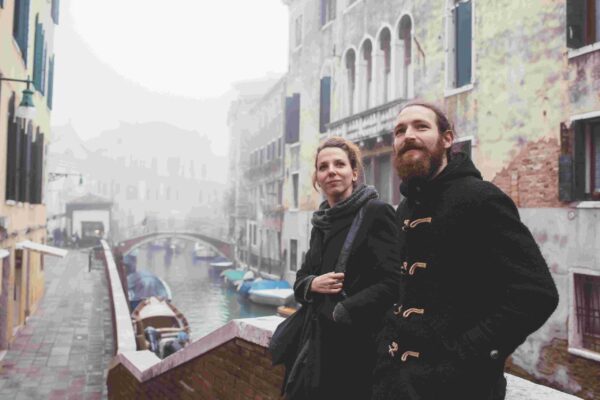
In the 19th century, Venice was dream and ruin in one. Many people from Europe traveled to see this strange beauty. Some wrote, some painted, and some only looked. John Ruskin, Henry James, and Robert Browning were three who left strong words about the city, and their memories still live inside Venice today.
Venice in the Eyes of the 19th Century
Long ago, Venice already lost her power, but her charm stayed. Travellers came because they felt the city was like a poem written in stone and water. During that time, rich families and young artists often made the Grand Tour, a long trip through Italy to learn art and culture. Venice was one of the last stops–quiet, mysterious, and full of old palaces that looked half asleep.
When steamships and trains began to move people faster, more visitors arrived. Some came for history, others for inspiration. Venice became like a museum open under the sky.
Reasons why travelers loved Venice:
- The city looked old but alive–full of canals and colors.
- The city’s art and architecture resonated more powerfully than mere words.
- Every corner felt different in light, sound, and smell.
- It was a place for silence and contemplation of life.
John Ruskin–The Watcher of Stones
John Ruskin was an Englishman who looked at Venice with deep attention. He came many times, starting from 1835, always with a notebook and pencil. He studied churches, windows, towers, and bridges. For him, stones were not only materials–they told stories about people who built them.
His big book The Stones of Venice became famous everywhere. In it, he wrote that the old Gothic style of Venice was honest and true. He said that when men stopped believing in spirit and nature, the art also started to die. Ruskin was sad to see the city’s walls falling, but he wanted people to repair them with love, not just with money.
Ruskin’s main ideas about Venice:
- Architecture shows people’s moral lives.
- Gothic art means faith and freedom.
- Venice must be protected, not changed.
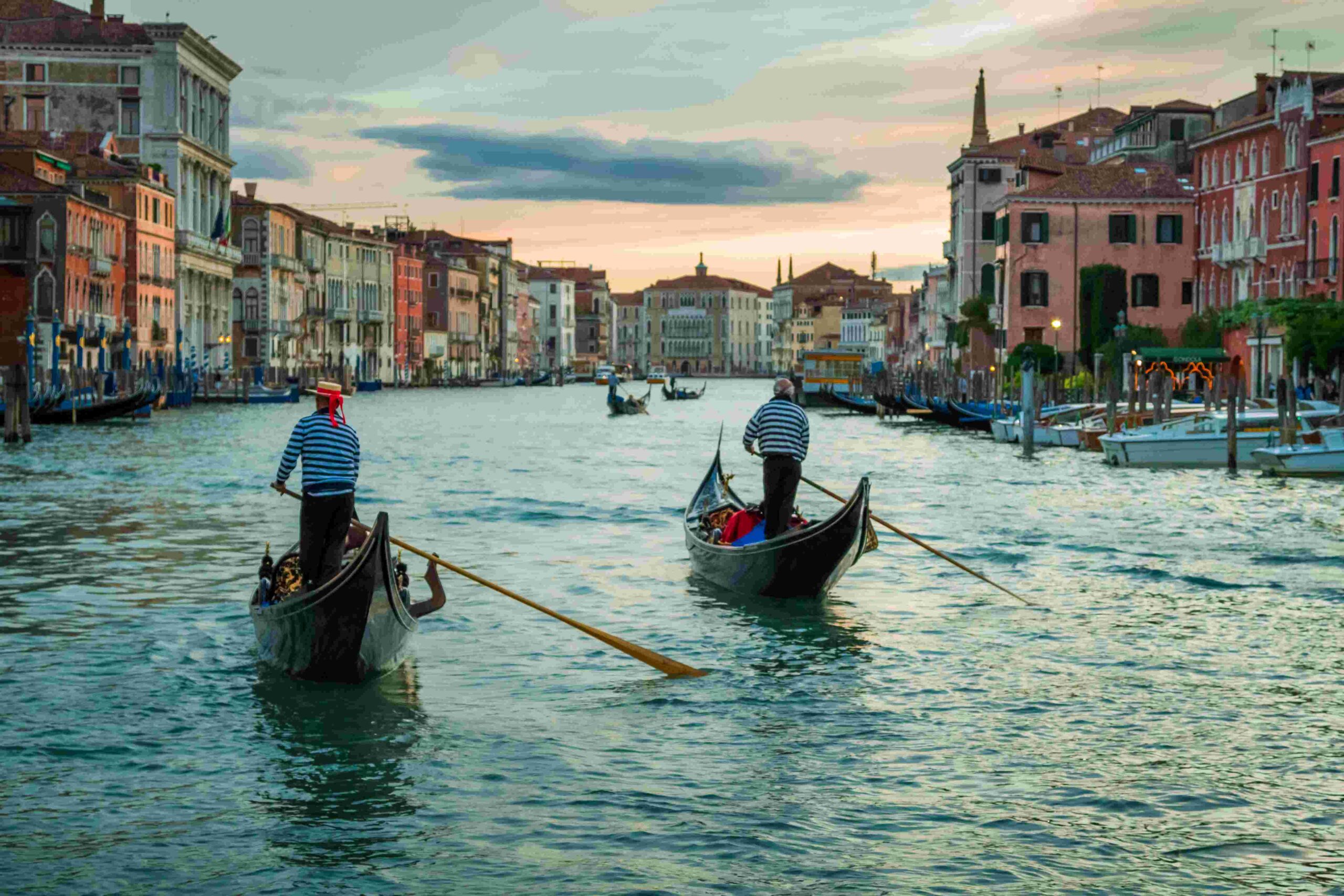
Because of Ruskin, many people in England began to think about protecting old buildings. Students of architecture continue to use his sketches.
Henry James–The Writer Who Saw Shadows
Henry James, from America, arrived in Venice a few years later. He was not an architect but a storyteller. For him, the city was like a dream that walks. He felt beauty, but also sadness, inside the water and light.
He wrote about Venice in his books and letters. His story The Aspern Papers told about an old palace, a secret poet, and the silence of time. In one of his essays, he called Venice “the most beautiful tomb in the world.” He loved the quiet canals, but he feared the noise of tourists who changed everything.
James stayed in small hotels near the lagoon, often writing in the morning and walking at night. He thought the city was alive but worn out, like a woman who still wears jewels but remembers too much.
Robert Browning–The Poet Who Found Peace
Robert Browning came to Venice when he was older. He lived in Palazzo Rezzonico, a big house near the Grand Canal. After his wife, Elizabeth Barrett Browning, died, he stayed in Venice many years. For him, it was not a city of ghosts but of calm and light.
He wrote new poems there, and friends often visited him. Browning said that Venice helped him breathe again. When he died in 1889, people put a stone on his house wall–you can see it even today.
The Meaning of Their Journeys
Each man saw Venice differently:
- Ruskin looked with eyes of science and faith.
- James looked with the mind and heart of a novelist.
- Browning looked at peace after pain.
But all three shared one idea: Venice teaches something about beauty that dies slowly but never disappears.
What their writings gave to the world:
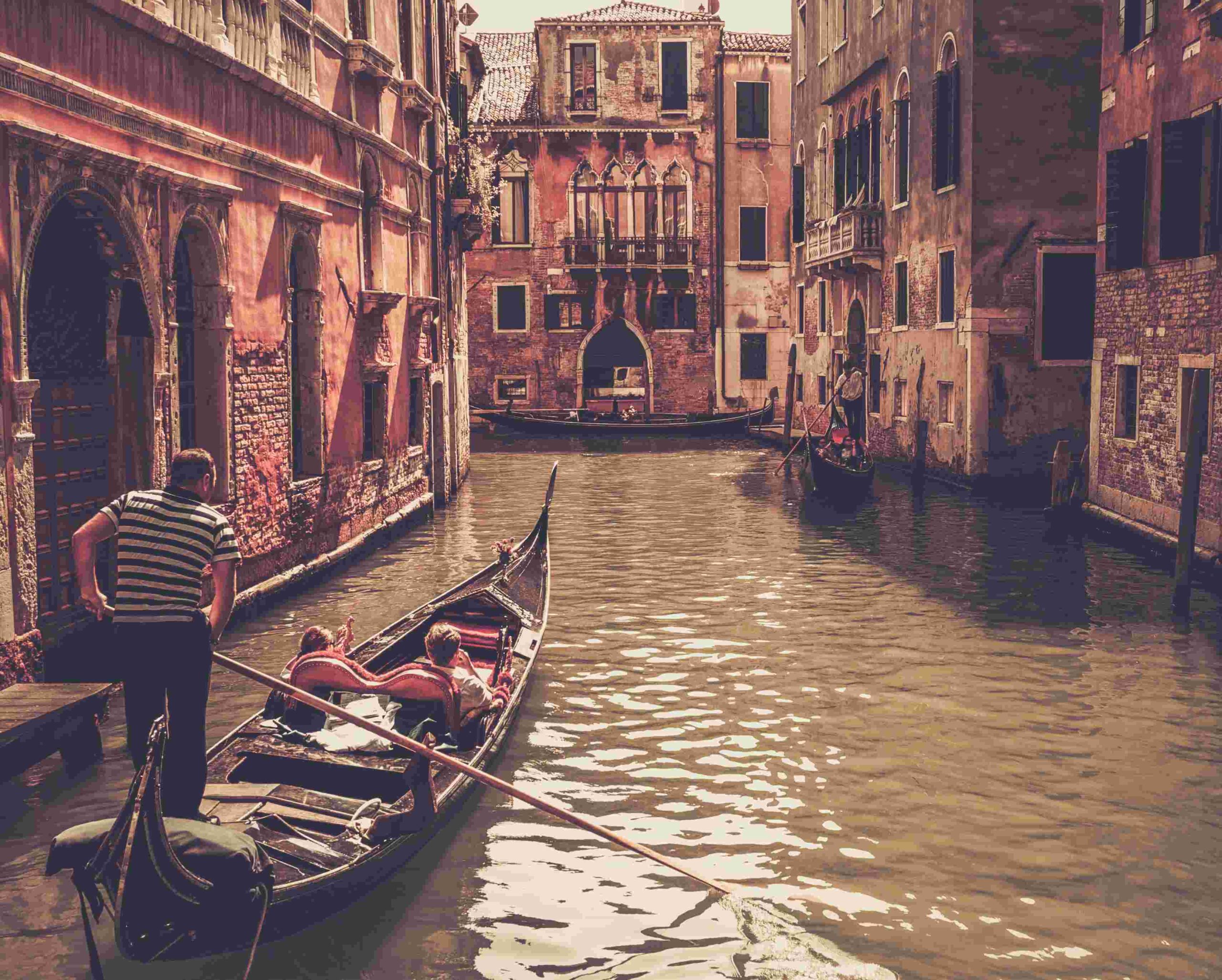
- They made Venice known to people who never travelled.
- They showed how art and feeling can live together.
- They initiated the notion of saving the city, not just admiring it.
Their letters, sketches, and books became a mirror of 19th–century Europe, full of changes but still searching for old truths.
Venice as Living Memory
By the end of the 1800s, Venice was already called the “city of memory.” Travellers did not only visit–they carried it home in thoughts and words. Ruskin’s drawings, James’s novels, and Browning’s poems–all made a library of feelings.
People from later times traveled to discover the same things: silence, color, and reflection. Even today, when you walk through narrow streets or watch water under bridges, it feels that their eyes are still there, watching too.
Venice stays between water and sky, between dream and real. It changes with years but keeps the same face. Those three men from the 19th century did not save the city with their hands, but with their minds. They turned it into a symbol–half alive, half memory, always beautiful.