
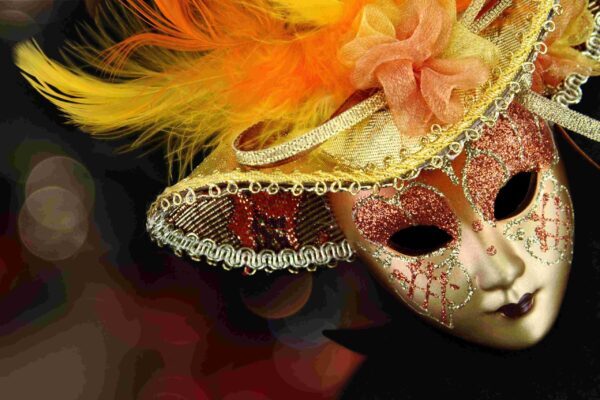
Every winter, Venice changes her face. The quiet streets fill with color, masks, and music. The Carnival of Venice is not only a party–it is a memory of the past, when nobles and common people met in the same streets under disguise.
A Festival Older Than Memory
The Carnival of Venice began many centuries ago. Some say in the 12th century people already danced and wore masks to celebrate the victory of the Republic. Later, it became a long time of joy before Lent, the Christian season of fasting.
During the old Republic, the Carnival could last for weeks. People forgot about rules, and all were free. Nobles, merchants, servants–everyone mixed together. The mask made all equal.
When Napoleon conquered Venice in 1797, the Carnival was stopped. For almost 200 years it stayed silent. Only in 1979 did the city bring it back, with parades, music, and art. Now it happens every February and brings visitors from all over the world.
The Power of the Mask
In Venice, a mask is not only decoration. It is a symbol of freedom and secret life. When you wear it, nobody knows who you are–rich or poor, man or woman. The mask lets you speak, dance, and laugh without fear.
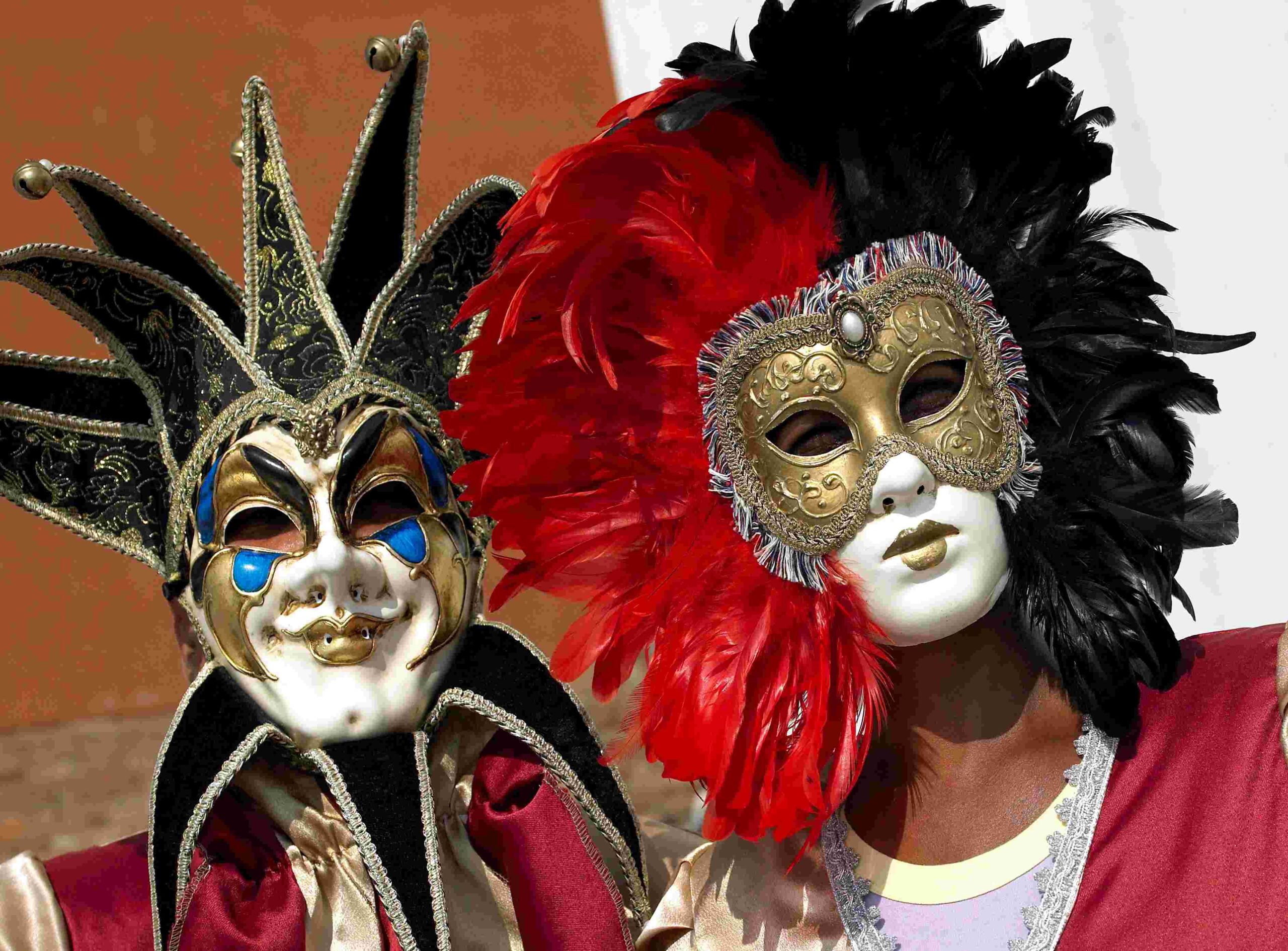
The most well–known Venetian masks:
- Bauta–a white mask with a big nose, often with a black cloak and hat. It allowed me to eat and talk without taking it off.
- Colombina–small half–mask often worn by women, decorated with gold and feathers.
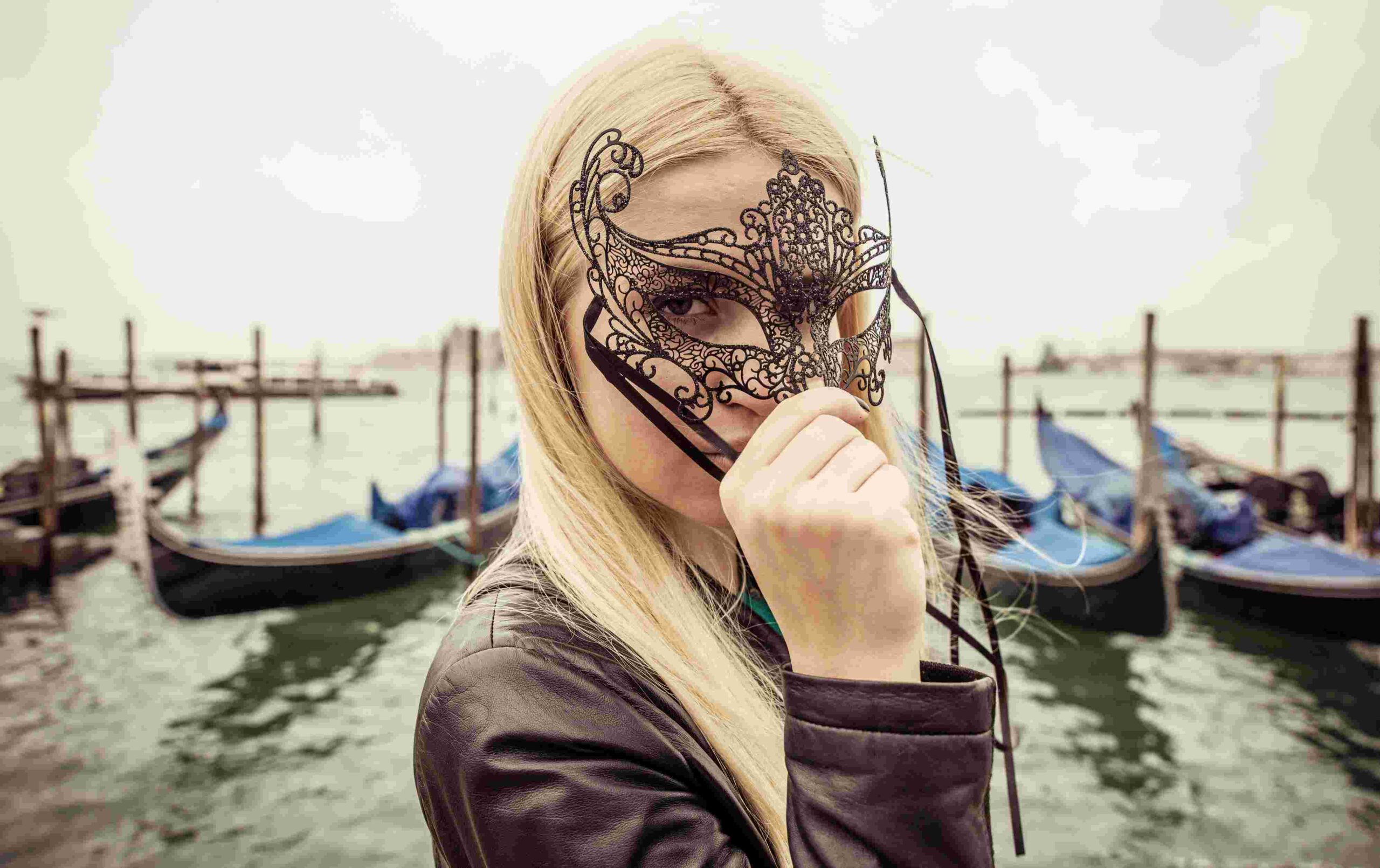
- Moretta – oval black mask held by the mouth, popular among noble ladies.
- Medico della peste–a “plague doctor” mask with a long beak, first used during times of illness, later for theater.
Each mask had its own meaning. Bauta meant mystery and politics, Colombina meant charm, and the doctor’s mask showed the dark humor of Venetians.
Life During Carnival
 In old Venice, the Carnival was not only about dancing. It filled the whole city with noise and surprise. Actors performed commedia dell’arte, people played games in squares, acrobats jumped from towers, and gondolas full of music moved on canals.
Shops sold sweets, wine, and ribbons. Foreign visitors called Venice “the city that never sleeps.”
Main customs during traditional Carnival:
- Wearing masks and rich clothes in public.
- Visiting small theaters with comic plays.
- Watching “The Flight of the Angel”–a person flying on a rope from St. Mark’s bell tower.
- Eating special cakes like frittelle and galani.
- Meeting in secret rooms for conversation and music.
These traditions showed how Venice loved life. Even when the Republic became weak, people still kept Carnival as a symbol of happiness.
Art, Music, and Masks
Canaletto and Longhi were two Venetian painters who often painted scenes from Carnival. They showed people talking, flirting, and playing cards. The paintings were bright, but they were also ironic because they showed both pleasure and emptiness behind masks.
Music was also part of this world. In the 18th century, composer Antonio Vivaldi and his students sometimes played during Carnival days. The sound of violins mixed with bells and laughter over the canals.
During the 19th century, when visitors like John Ruskin or Henry James came, the Carnival had already changed. It was smaller, more quiet, but still charming. They wrote that even when the festival slept, Venice still looked like it was wearing a mask made of fog.
The Modern Carnival
Today, the Carnival of Venice returned with new energy. People come from many countries, wearing masks made by hand. Artists decorate squares, musicians play, and photographers fill the bridges.
The most important events happen in St. Mark’s Square, where parades and costume competitions take place. But many Venetians prefer small neighborhood parties, where they drink coffee, eat sweets, and tell stories about the past.
Even if it looks like a tourist event now, for locals it is still something deeper–a connection to ancestors who lived free for a few days every year.
How Masks Are Made
Real Venetian masks are made by hand, not plastic. The craft is old and passed from master to student. Makers use paper–mâché, cloth, and natural pigments.
Steps to create a traditional
mask:
- Making a clay form of the face.
- Covering it with paper and glue layers.
- Drying and taking out the shape.
- Painting and decorating with gold or feathers.
- Adding ribbons or strings for wearing.
Many workshops still exist near Campo Santo Stefano and San Polo. Each mask there is unique, telling a different story.
Meaning of the Carnival Today
The Carnival of Venice is not only a festival for fun. It reminds people that identity can be changed, that behind every face there is another. The mask became a symbol of freedom, art, and irony–three things Venice always had.
Visitors who come today see colorful parades but also feel the old soul of the city. In the night, when the music stops and the lagoon is quiet, it seems the old Carnival never ended. The ghosts of past masks still walk between the lights.