

When Isabella Stewart Gardner first encountered Venice, she felt like she had found another world. The quiet canals, old art, and people’s slow life touched her deeply. From that moment, Venice became her second home, and her friendship with art historian Bernard Berenson started a story that joined America and Italy forever.
A Woman Who Loved Beauty
Isabella Stewart Gardner was born in New York in 1840, in a rich family. She studied in prestigious schools, travelled with her husband Jack Gardner, and always wanted to see beautiful things. But when she arrived in Venice in 1884, she changed. The city spoke to her heart.
She stayed at Palazzo Barbaro, a house where many American artists and writers lived. The building stood near the Grand Canal, full of light and history. There she met people who painted, wrote, and talked about art all night. Venice gave her not only pleasure but also purpose.
Life in Palazzo Barbaro
At Palazzo Barbaro, Isabella met a circle of people who would change her future. Painters like John Singer Sargent, writers like Henry James, and critics like Bernard Berenson often visited there. They shared ideas about art and collecting, and they saw in Isabella a woman who could build bridges between the Old World and the New.
She learned to walk through Venice slowly, to feel details: the colors of mosaics in San Marco, the quiet shadows in narrow streets, and the smell of salt in the air. Venice became her teacher.
Things Isabella loved most in Venice:
- Early Renaissance paintings with gold light.
- Silent churches filled with old frescoes.
- Small markets near canals where she talked with locals.
- She could hear the sound of boats passing by at night.
Her letters from that time show strong emotions–sometimes joy, sometimes melancholy. She often wrote that Venice made her “see the world as a painting that never ends.”
The Meeting with Bernard Berenson
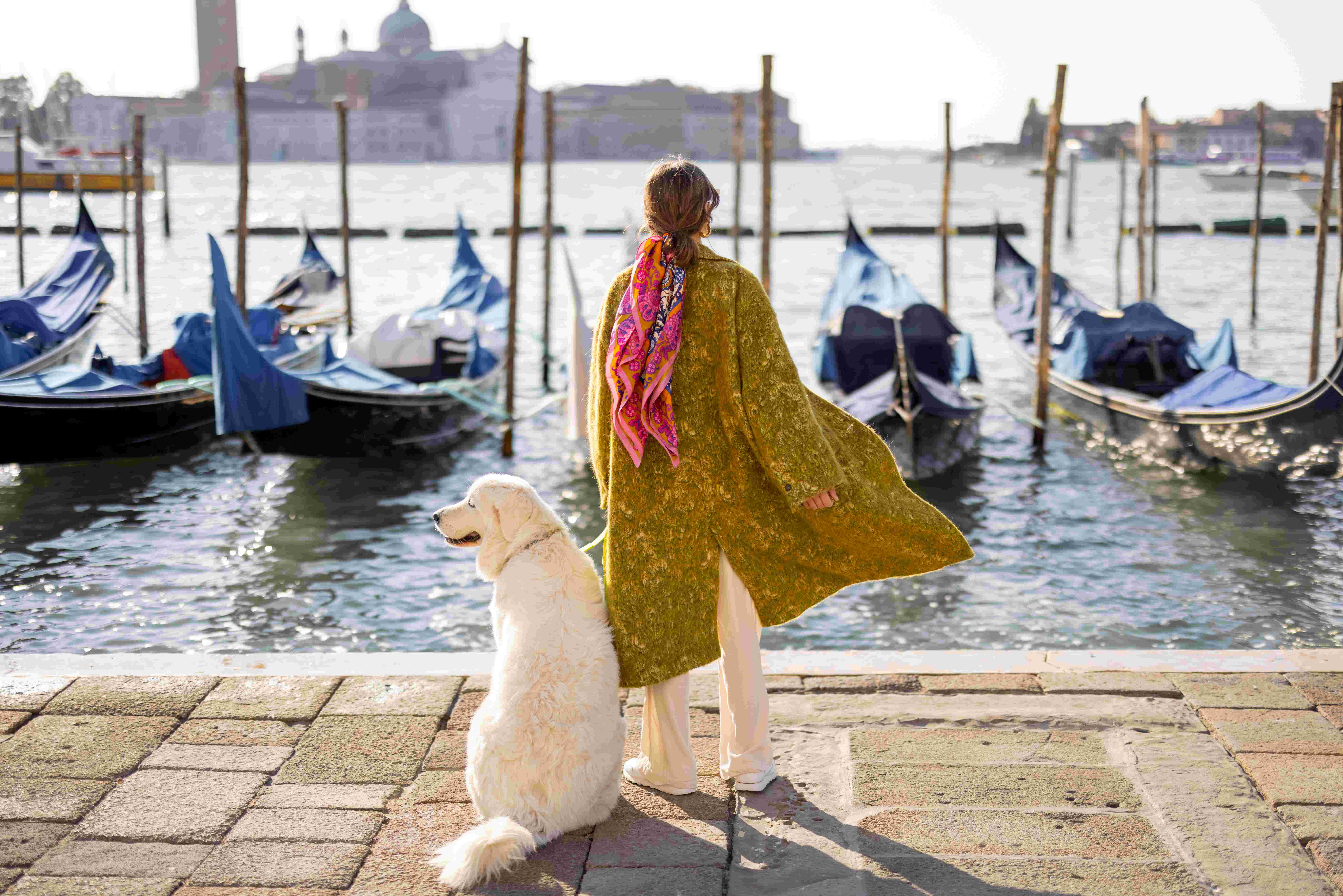
In 1887, Isabella met Bernard Berenson, a young art historian who helped rich collectors find true Renaissance art. He was intelligent, ambitious, and admired her taste. They became friends and wrote hundreds of letters. Berenson sometimes guided her in buying paintings for her growing collection in Boston.
Their friendship was not always simple. Sometimes he wanted to control her choices; sometimes she followed her vision. But they respected each other. Many artworks that now hang in the Isabella Stewart Gardner Museum in Boston were found because of this partnership.
Berenson’s Influence
Berenson taught Isabella how to see art “not only with eyes but with soul.” He believed that a painting should give spiritual feeling, not just beauty. Isabella took this idea deeply. When she returned to America, she wanted to create a place that felt like Venice–full of life, mystery, and memory.
The Spirit of Venice in Boston
Years later, when she built her museum in Boston, Isabella designed it as a Venetian palace. It had balconies, an open courtyard, flowers, and light from glass windows–like a piece of Venice moved across the ocean.
Every painting, every statue in her museum was placed by her hands. She arranged them not as in a usual gallery but as in a home where art lived. Visitors could feel the same calm she once found in Venice.
Elements of Venice she brought to her museum:
- Courtyard full of plants and ancient stones.
- The courtyard is adorned with arches and balconies, reminiscent of those found in Palazzo Barbaro.
- Paintings from Italian masters she saw in Venice.
- She preferred silence and mystery over noisy explanations.
Her museum opened in 1903. For her, it was not just a collection–it was a memory of all the moments she lived by the Venetian canals.
Gardner’s Legacy in Venice
Even after she returned to America, Isabella came back to Venice many times. She visited old friends, bought art, and watched the lagoon in different lights. When she walked through the streets, people called her “the American lady with kind eyes.”
She also helped many local artists and kept friendships with families she met there. Her presence in the city became a small legend.
Venice gave her more than inspiration; it gave her peace and identity. Without those years by the water, the museum in Boston would never exist in the same way.
Letters and Memory
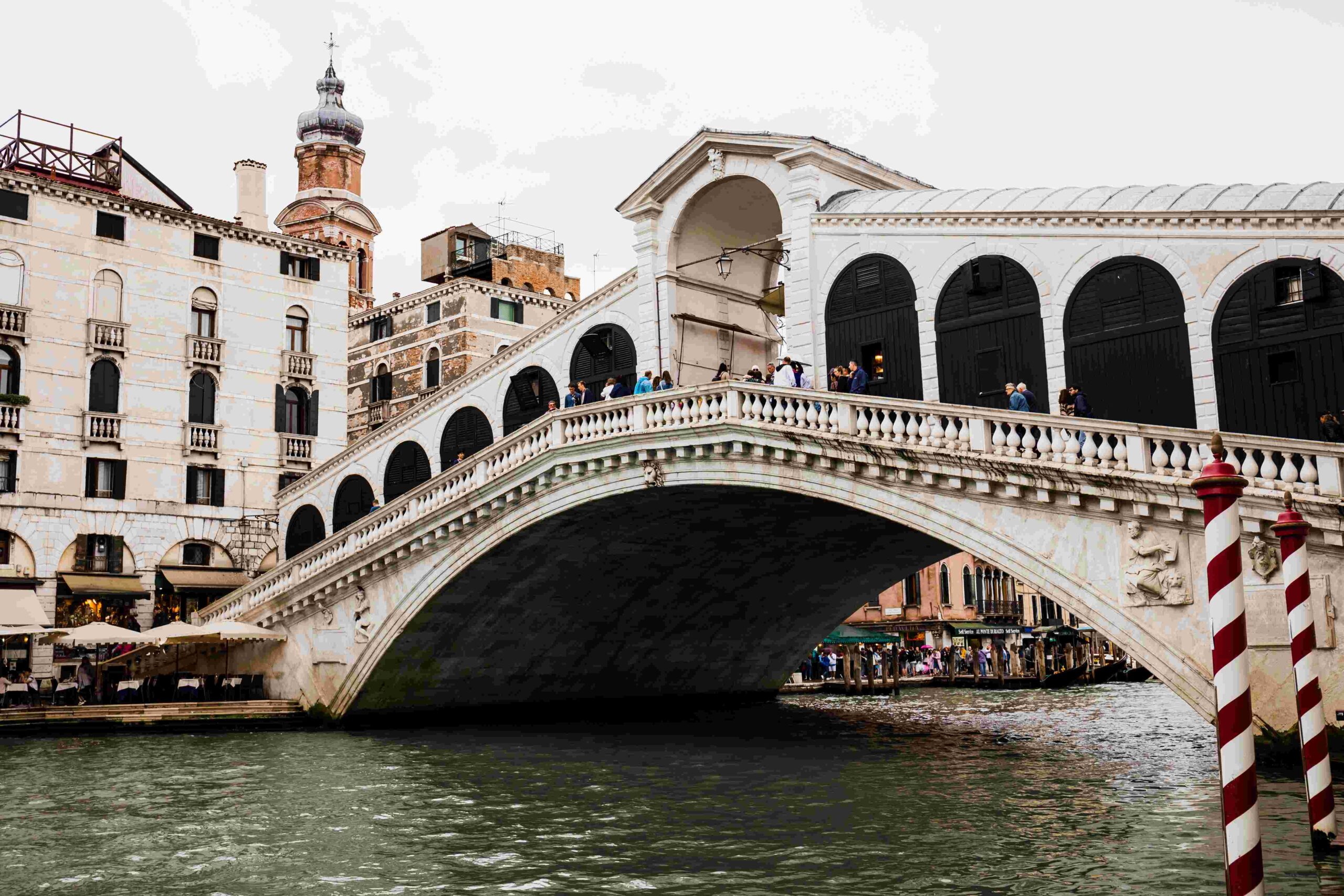 Isabella and Berenson exchanged letters until her death in 1924. They wrote about Venice, art, and human feeling. In her later years, Isabella could not travel so much, but in her letters she said that every sound of water reminded her of Venice.
She told Berenson that the city was “the only place where time walks slower.” He answered that Venice is like art itself–always dying, never dead.
Their correspondence became a document of friendship between two strong minds, full of respect, argument, and love for beauty.
Venice That Stays
Today, when people visit her museum in Boston, they still see Venice inside. The courtyard smells of flowers, like in the early morning by the lagoon. The rooms are dark and golden. Paintings of saints and nobles look at visitors as if they remember the same canals.
Isabella Stewart Gardner left behind two cities joined together: Venice of water and Venice of spirit. She understood what many travellers before her also felt–that this city teaches how to love beauty without owning it.
Her story in Venice is not only about art but also about how one place can change a person forever.